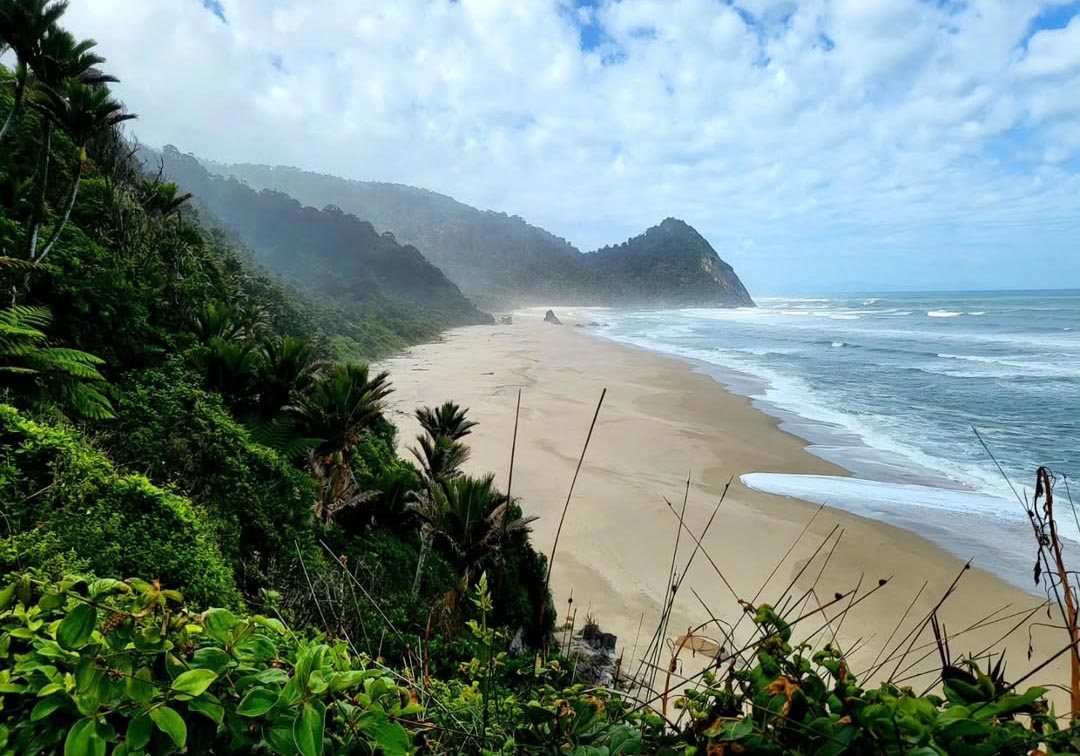
Located on the northern edge of New Zealand’s West Coast, the Mōkihinui–Seddonville coast offers a captivating blend of dramatic landscapes, rich natural heritage, and authentic West Coast character. This is where pristine rivers meet the wild Tasman Sea, native forests cloak rugged hillsides, and history lingers in every settlement.
The Mōkihinui River system lies on the northern West Coast of New Zealand’s South Island. The valley has two main branches (north and south forks) that converge upstream, then flow through steep, narrow gorges in the upper reaches and whitewater zones. Closer to the coast, the land flattens into river flats and alluvial plains before the river flows into the Tasman Sea.
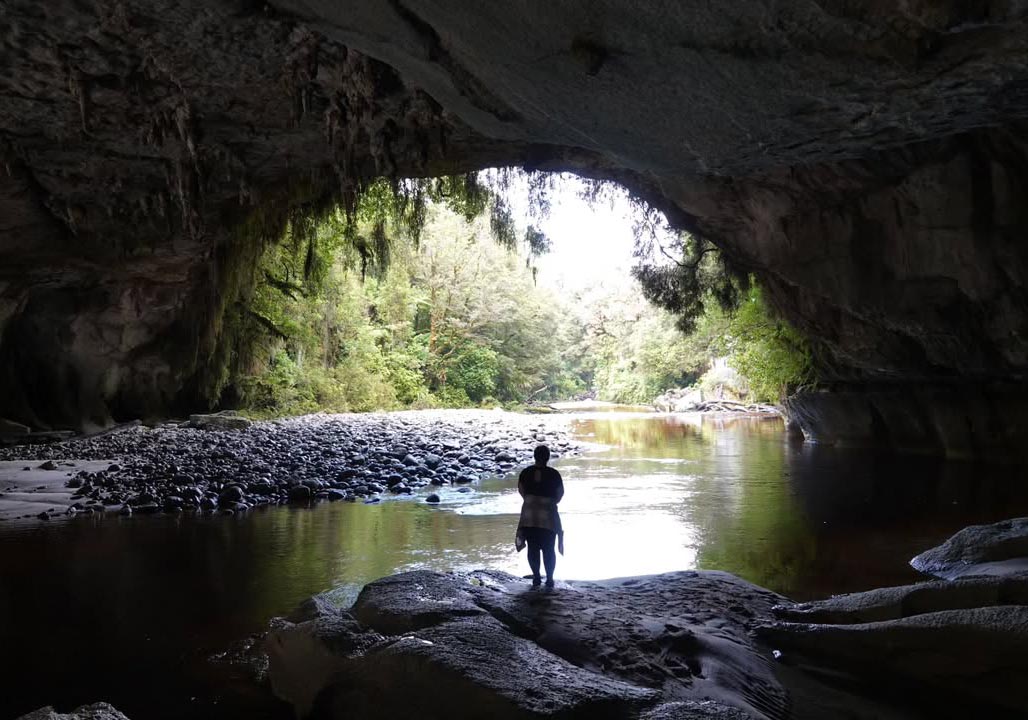
The terrain is dramatic: rugged alpine ranges (including limestone formations, steep ridges), mixed forest (beech, podocarp, broadleaf), and extensive natural features like deep pools and rapids.
Near the coast, there is Wild whitebaiting territory, forested coastal land, beaches, and the mouth of the river.
Climate
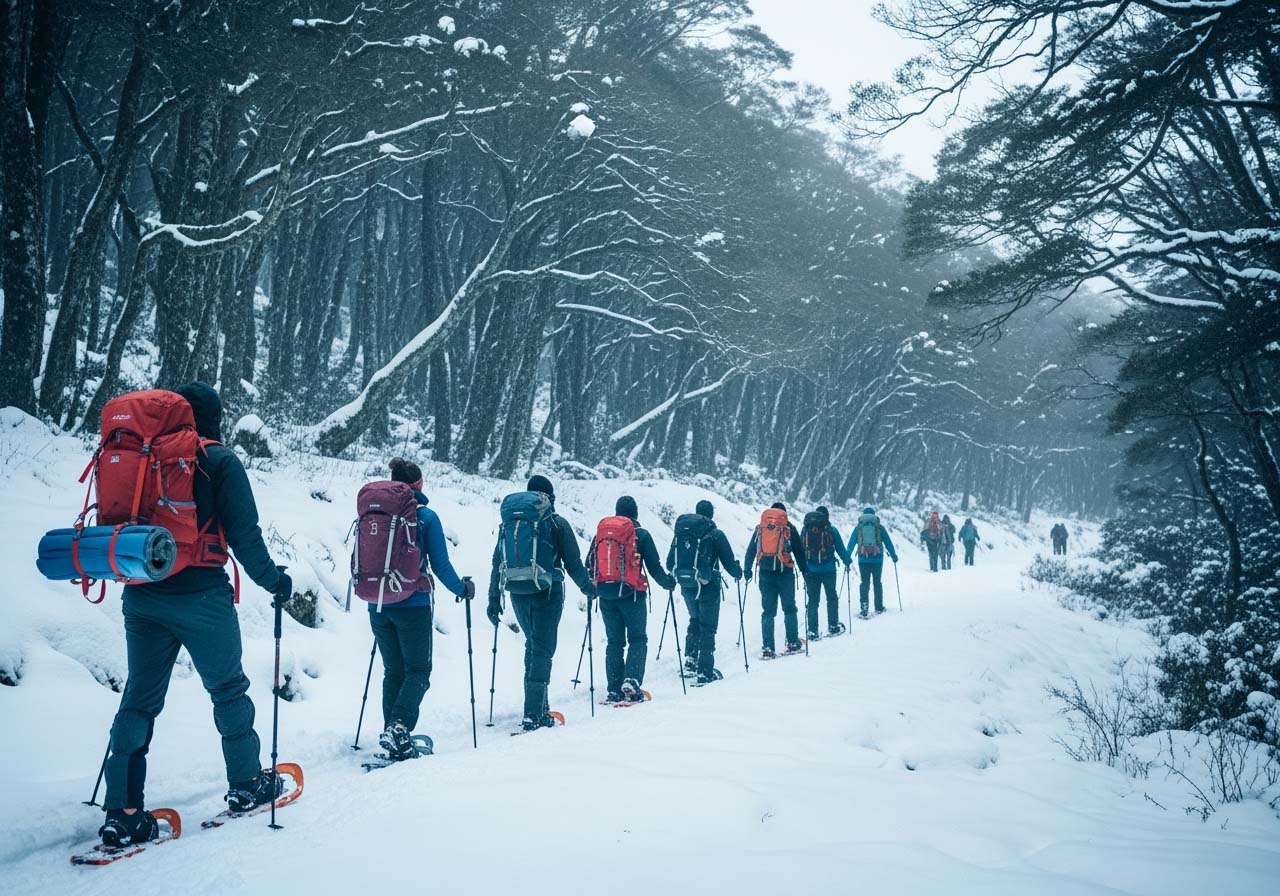
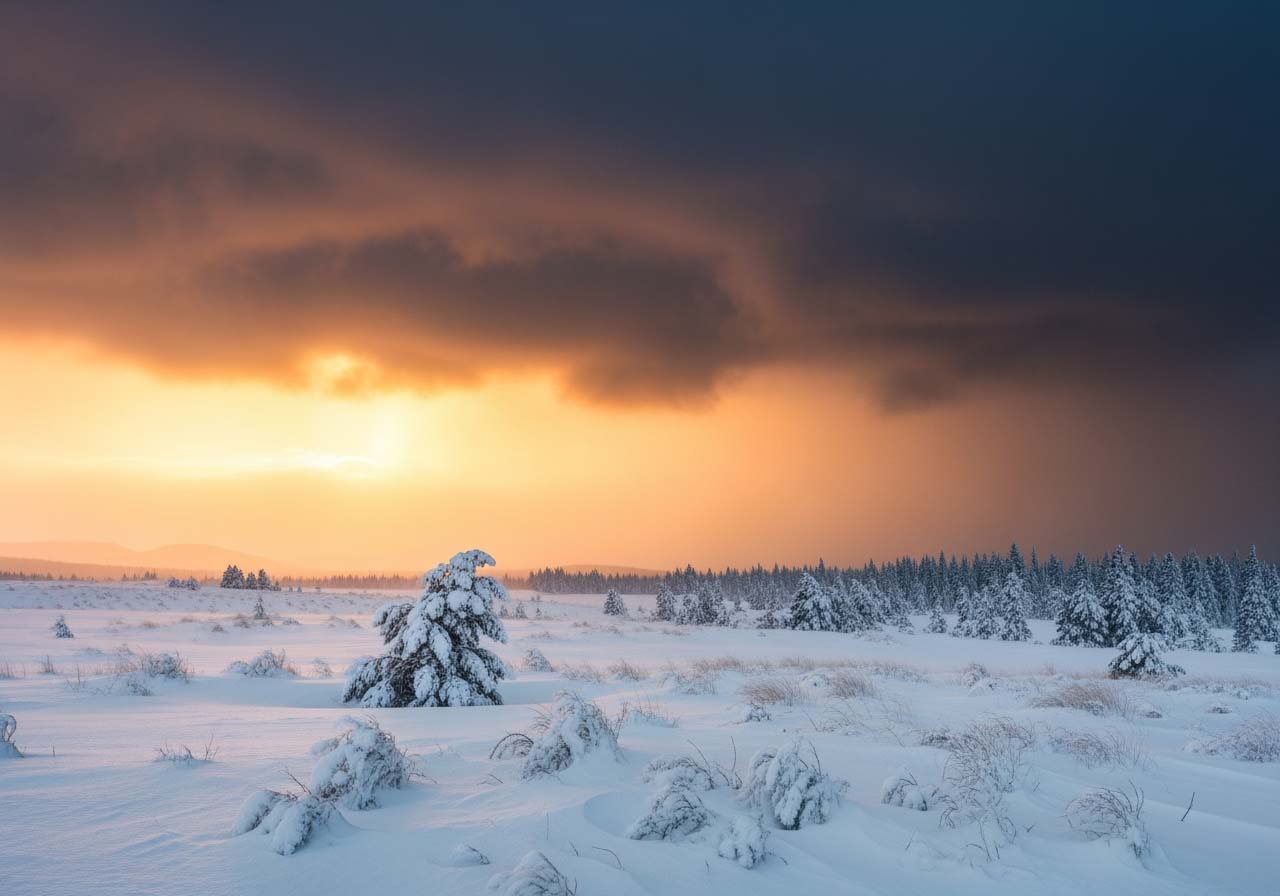
Northern Buller experiences a temperate maritime climate, with mild summers, cool winters, and high rainfall throughout the year. Summers are often sunny and warm, ideal for outdoor activities, while winters bring crisp air and occasional snow in higher elevations. The constant rainfall contributes to the lush greenery and thriving native forests, but it also makes the rivers prone to flooding during heavy storms.
History & Culture
Northern Buller has a rich history of gold mining, coal mining, and forestry, which shaped its early settlements. Towns like Granity and Hector grew around mining operations in the late 19th and early 20th centuries. The region also holds significant Māori heritage, with local iwi (tribes) historically inhabiting the coastal and inland areas, relying on the river and sea for food and transport. Today, the area embraces its history through museums, heritage trails, and community initiatives, preserving the stories of both Māori and European settlers.
Wildlife & Conservation
Northern Buller is an ecological treasure. The coastal and forested areas provide habitat for many native species, including the rare Buller’s albatross, which nests in the northern regions and migrates across the Pacific. Conservation efforts focus on protecting these species, controlling pests, and maintaining native forest ecosystems. The Oparara Basin and nearby Kahurangi National Park are particularly important for biodiversity, hosting rare plants, birds, and invertebrates found nowhere else in the world.
Dining in Buller
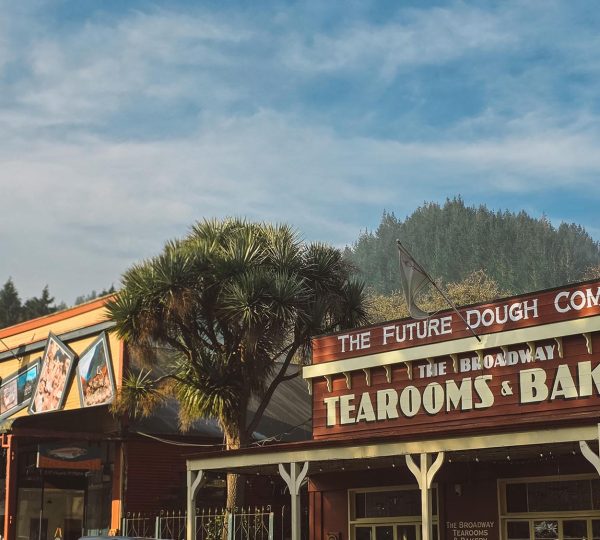
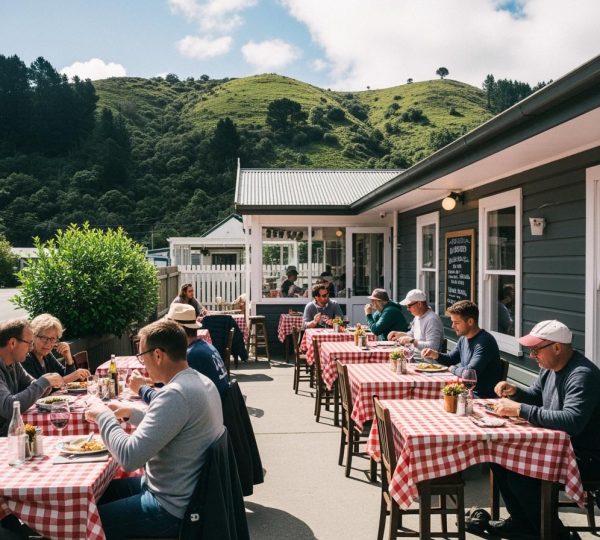
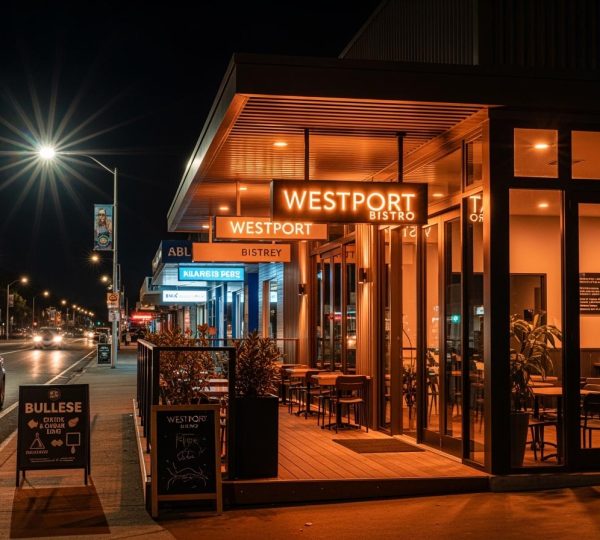
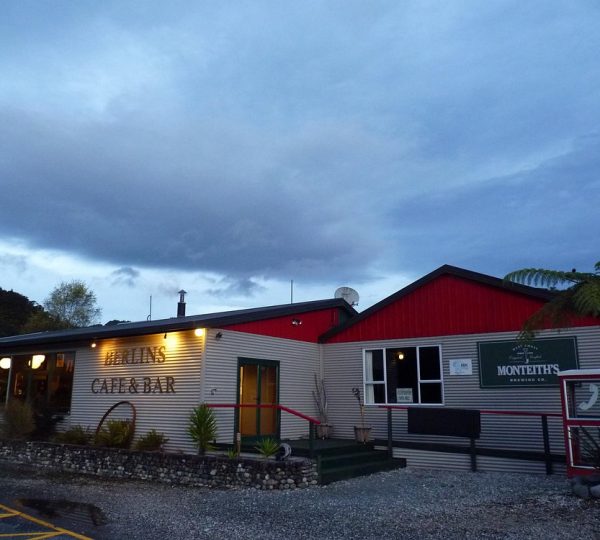
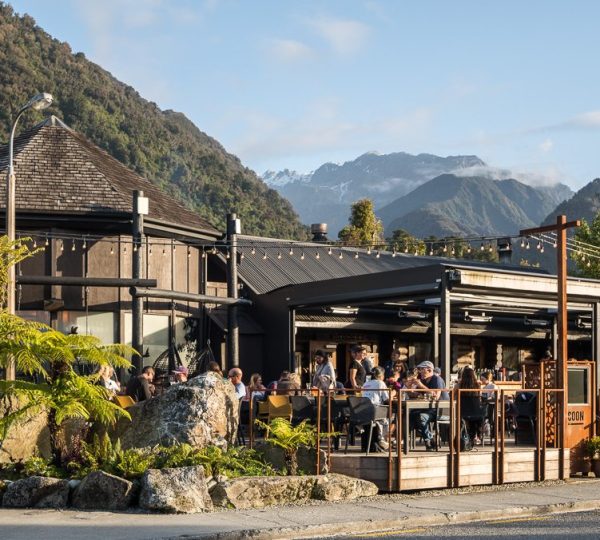
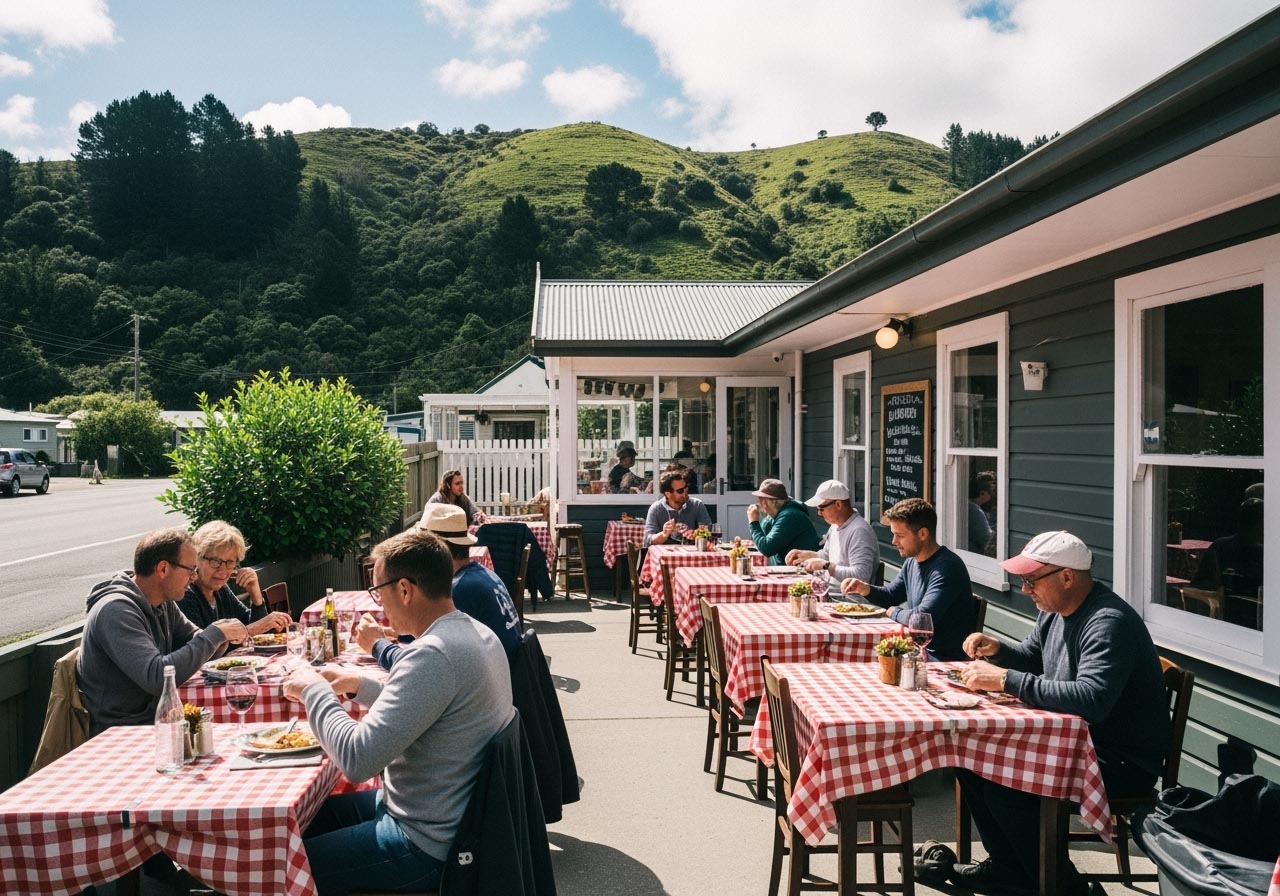
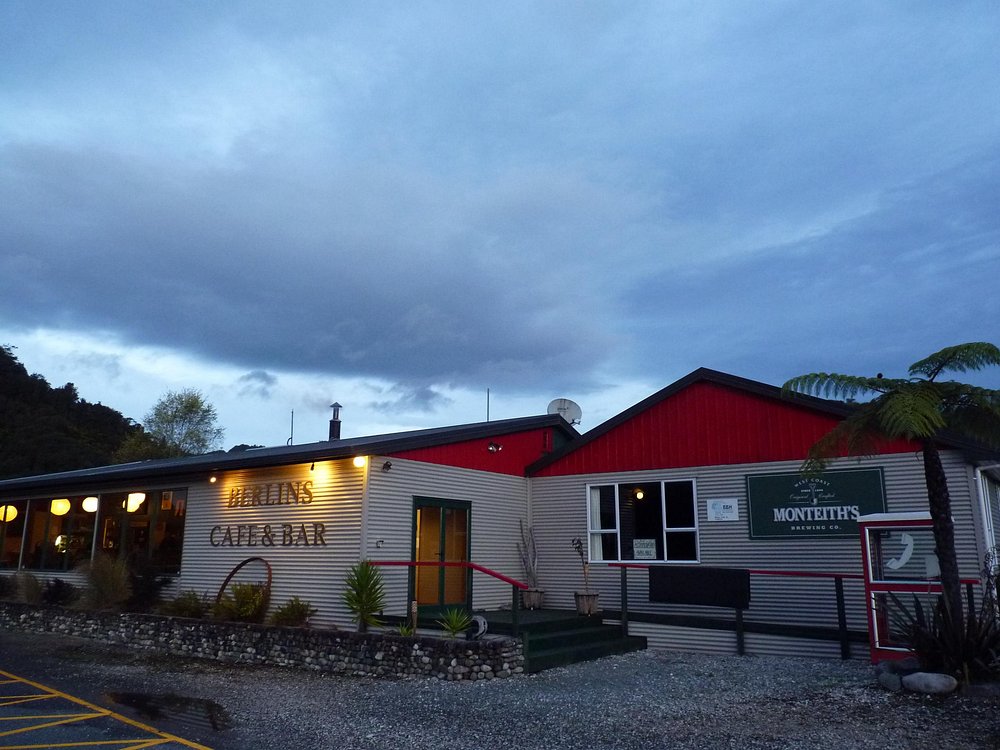
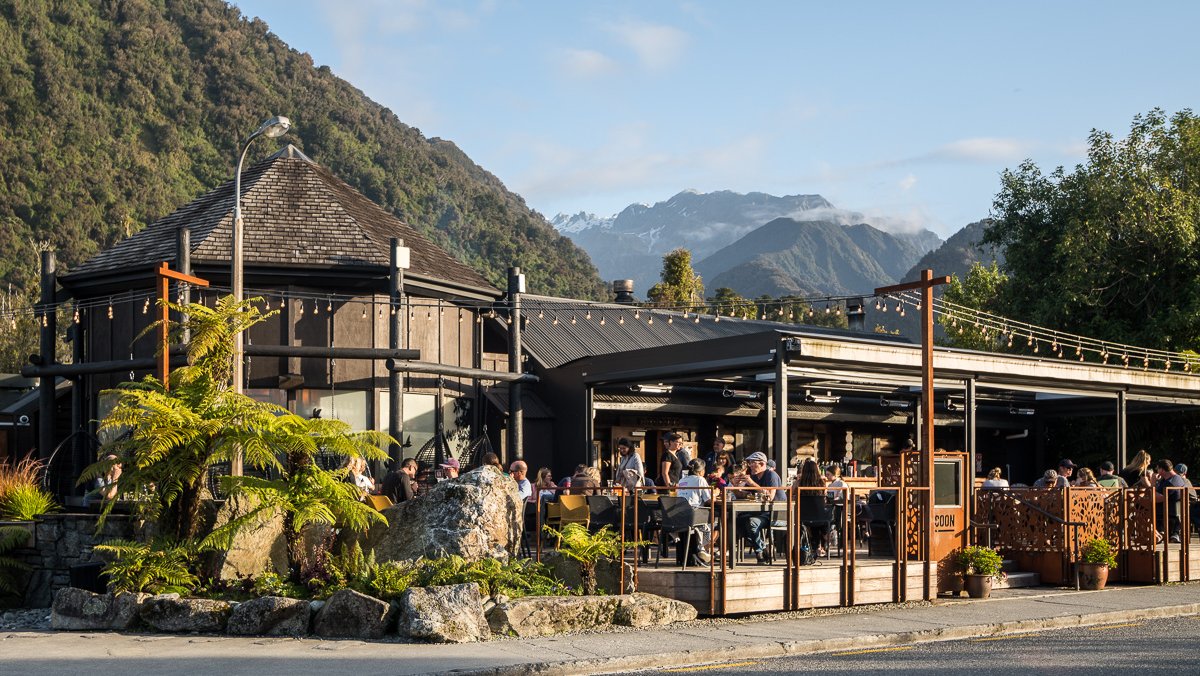
Dining in Buller is as diverse and welcoming as the region itself. From hearty pub classics to refined coastal cuisine, Buller’s food scene celebrates local flavours, fresh ingredients, and genuine West Coast hospitality. Whether you’re grabbing a casual bite after a day of exploring or settling in for a long, relaxed dinner, you’ll find plenty to savour.
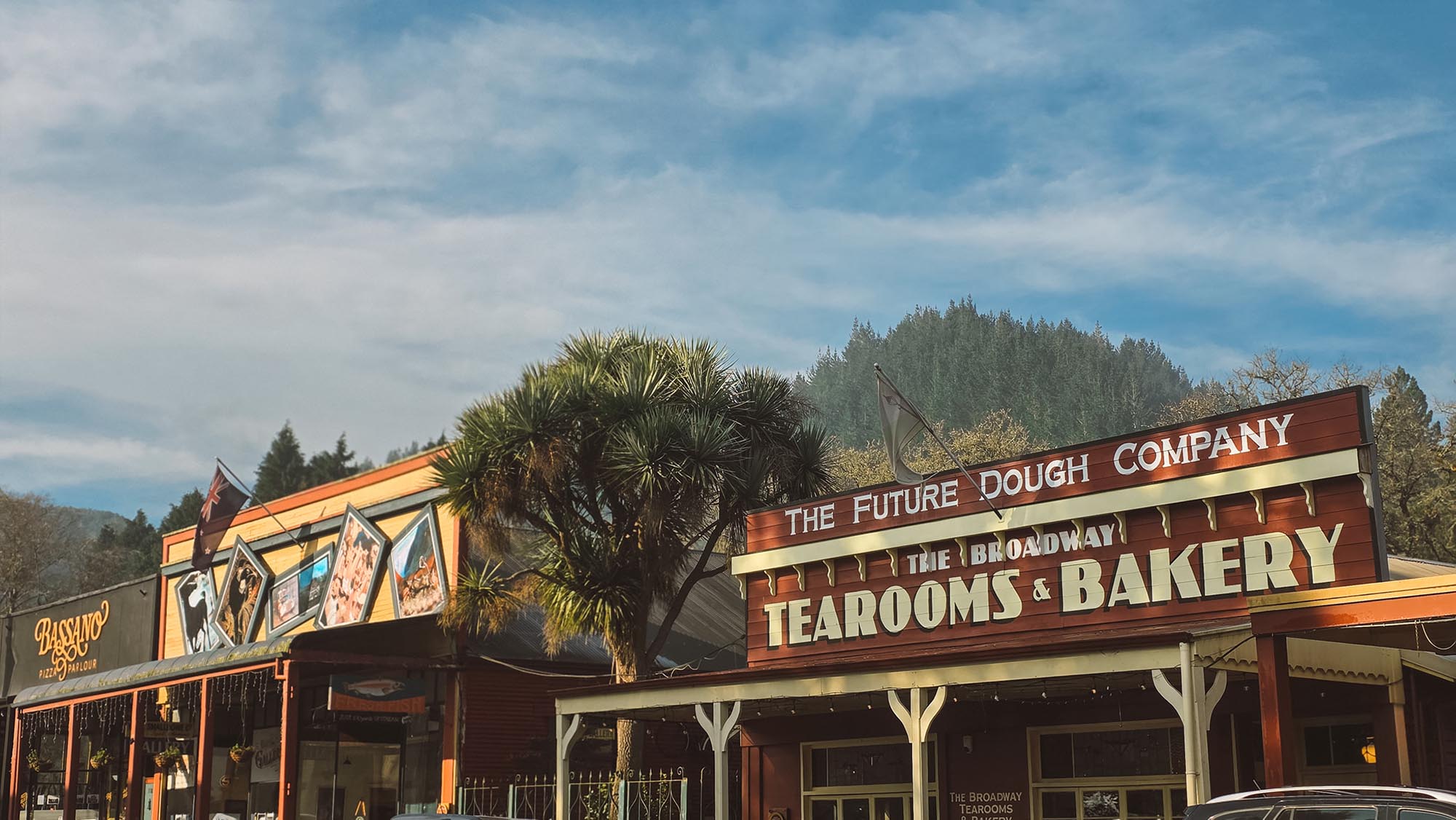
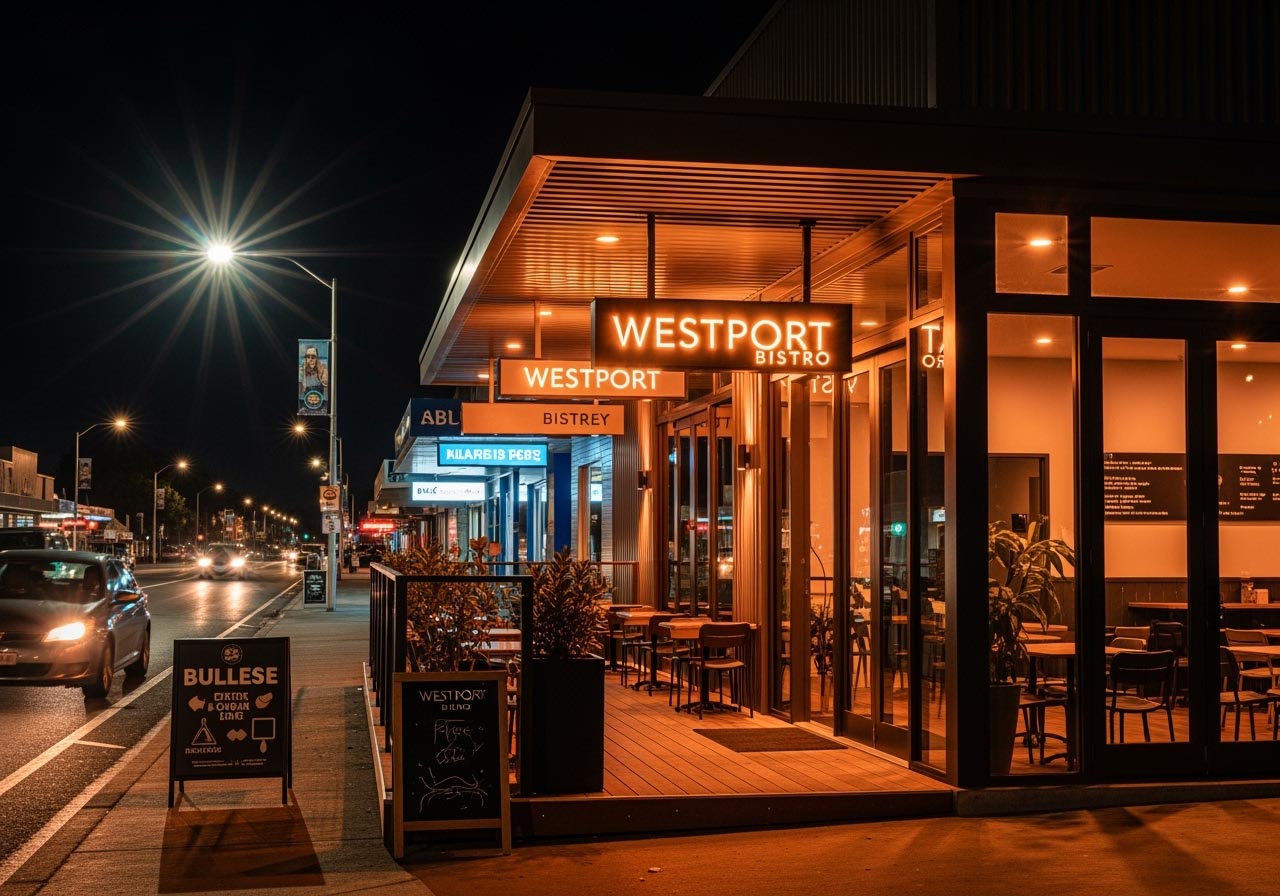
In Westport, enjoy everything from stylish bistro dining to family-friendly cafés and traditional Kiwi pubs. Many restaurants feature seasonal menus highlighting local seafood, West Coast whitebait, prime New Zealand beef, and farm-fresh produce. For those with a sweet tooth, the region’s artisan bakeries and dessert spots serve up irresistible treats alongside rich, locally roasted coffee.
Beyond town, you’ll discover hidden gems in smaller communities, offering authentic home-style cooking, fresh fish and chips by the sea, or a warm fire and a friendly chat with the locals. Whether it’s fine dining, a relaxed café meal, or a quick takeaway to enjoy by the beach, Buller’s dining scene invites you to taste the true flavour of the West Coast.